

One of the most common questions we hear at Motus is, “What’s the secret to a faster, more complete recovery?”
People often expect a single treatment, tool, or exercise to be the answer. They’re looking for a ‘silver bullet’ that will magically fix everything. However, the unfortunate truth is that recovery is rarely about just one exercise or treatment. It is about the combination of small, consistent actions that move you closer to healing every single day.
So, while there is no magic pill, there is a powerful formula that we subscribe to: a simple and effective program, backed by both research and real-world experience. We call it M.E.D.S.
M.E.D.S. stands for Movement, Education, Diet, and Sleep, which are four essential ingredients that, when combined, create the “secret sauce” that allows your body to heal faster, stronger, and more completely.
If you have ever wondered what you can do outside of the clinic to speed up your recovery, let this be your roadmap. Let us break down exactly why M.E.D.S. matters and how you can start integrating it into your daily routine.
M is for Movement
“Use it or lose it.”

While that may be a bit dramatic, it is a pretty good guideline for movement. Keeping moving is critically important in daily life and in regular exercise. In fact, the word Motus comes from Latin and loosely translates to “movement.”
Why Movement Matters
When you move, even in small or gentle ways, you increase blood flow to injured tissues, deliver oxygen and nutrients needed for healing, reduce stiffness, maintain joint lubrication, prevent muscle atrophy, and boost your mood and confidence.
Movement helps your body heal itself. That is why complete rest, once commonly prescribed, is rarely recommended for recovery. For most injuries, the right type of movement is not just safe, but essential.
Movement should always be strategic, not random. Early on, that may mean gentle mobility exercises, controlled range of motion work, low-impact activity, and breathing and relaxation techniques. As healing progresses, movement advances into strengthening, stability training, functional movement patterns, and sport-specific or work-specific exercises.
The goal is always to progress towards your goals, moving better, stronger, and more comfortably as you go.
E is for Education
Recovery is not just physical—it is also mental. And when it comes to healing, knowledge truly is power.

Understanding Your Injury Changes Everything
Many people feel anxious or overwhelmed when they are injured. They may fear the worst, avoid activity, or unknowingly create habits that slow recovery.
But when you understand what is going on in your body, why it happened, what to expect in the healing timeline, what is safe to do (and what is not), and how your exercises help, everything becomes clearer and less stressful.
Education helps you become an active participant in your recovery—not a passenger.
What Education Looks Like at Motus
We take the time to explain:
-
The anatomy and physiology behind your injury
-
The role of each exercise or manual technique
-
How pain works and why it does not always mean “damage”.
-
The difference between good pain, bad pain, and normal soreness
-
How to modify daily tasks to optimize your recovery
-
What progress should realistically look like
When you understand the why, you are ready to take on the next step: getting better.
Education empowers you to take control, make informed decisions, and avoid setbacks. It is knowledge that stays with you long after your sessions end.
D is for Diet
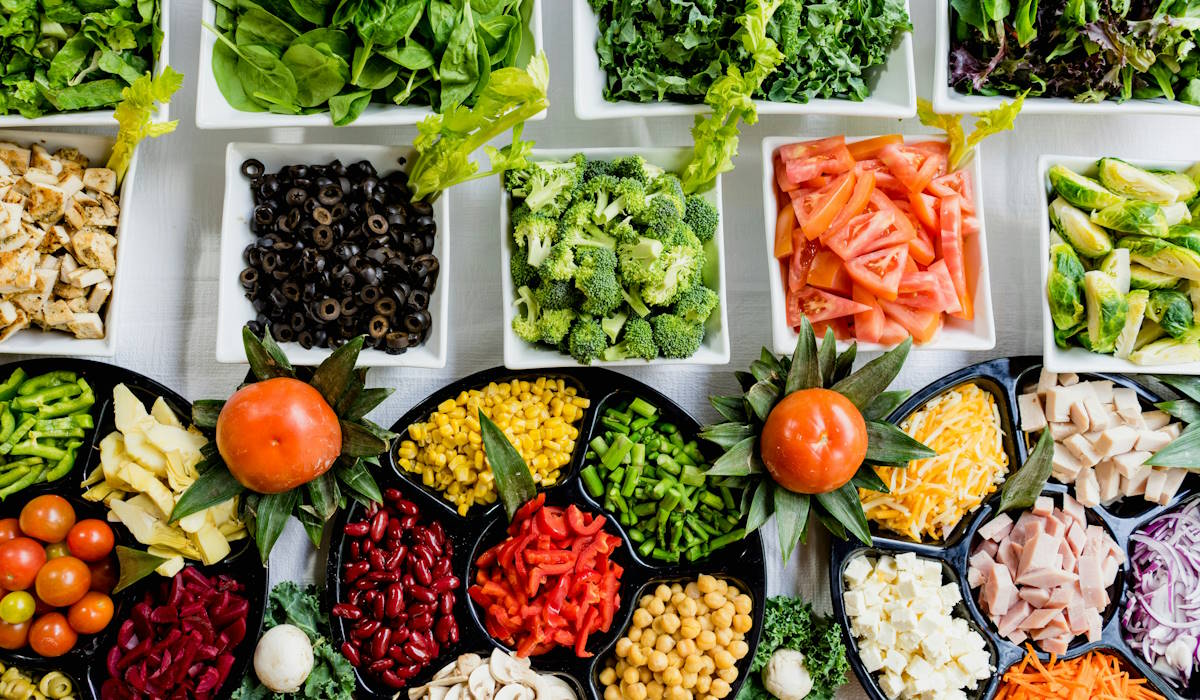
Let this be another reminder of what you already know: What you put into your body has a massive impact on how well you heal. Your tissues need energy, protein, and key nutrients to repair themselves. Think of them as the bricks you need to build a wall.
 Nutrition Fuels Recovery
A well-balanced diet supports tissue regeneration, reduces inflammation, maintains muscle mass, stabilizes energy levels, supports immune function, and improves mood and cognition during rehab.
Although we all know nutrition is important for body composition, most people do not realize how impactful small dietary changes can be on recovery from injuries.
The Building Blocks Your Body Needs:
Protein is essential for tissue healing and muscle repair. Most people need more protein than they think, especially during rehab. Healthy Fats like Omega-3s, found in fish, beans, and some nuts and seeds, are known for their anti-inflammatory properties. Vitamins & Minerals such as Vitamin C, D, zinc, magnesium, and calcium all play critical roles in tissue healing and bone health.
Hydration is also critical. Dehydration, even mild, can slow healing, reduce exercise performance, increase fatigue, and make soft tissues less pliable. Simply put, a well hydrated body heals more efficiently.
Keep in mind: You do not need a perfect diet to recover well, but small, intentional daily choices can be very beneficial to your healing.
S is for Sleep
If movement is lotion, then sleep is the ultimate recovery superpower.

What Happens During Sleep
When you sleep, your body repairs damaged tissues, releases growth hormone, reduces inflammation, consolidates new motor patterns learned in physio, regulates stress hormones, and strengthens your immune system.
In other words, sleep helps solidify everything we do in the clinic.
Poor Sleep = Slower Healing
Lack of sleep can lead to these recovery-stalling symptoms:
-
Increased sensitivity to pain
-
Decreased strength and coordination
-
Slower tissue healing
-
Impaired decision-making
-
Increased stress and inflammation
This is why prioritizing sleep often accelerates progress more than any exercise tweak or treatment change. Prioritizing sleep can be more beneficial to your recovery than any other treatment modality.
Simple practices such as maintaining a consistent bedtime, reducing screens before sleep, and keeping your room cool, dark, and quiet can dramatically improve both sleep quality and healing.
The Rest is Up To You
Recovery does not just happen during your physiotherapy sessions; it happens every day, all day, through the habits and routines you build. That is why M.E.D.S. is so powerful. It shifts the focus from relying solely on treatments to taking ownership of the whole healing process.
When you integrate regular movement through activity and exercise, education to guide your choices, diet to optimally fuel and heal your body, and sleep to reset your system, you create the optimal environment for your body to heal.
At Motus, we see our role as supporters, guides, and coaches who will work with you every step of the way. But the real secret sauce?
It is you.
Your consistency. Your commitment. Your willingness to take an active role in your recovery.
And when that effort is paired with a team dedicated to helping you move, learn, and live better, the results speak for themselves.